Three times faster, and much cleaner, for a slow fashion brand
From a slow WooCommerce shop to Webflow and Shopify connected by Smootify: load time from 4.0 to 1.1 seconds, and CO2 per visit down from 1.74 to 0.19 g.
Built by Nicolas Paries. Published on Contra, October 2024.
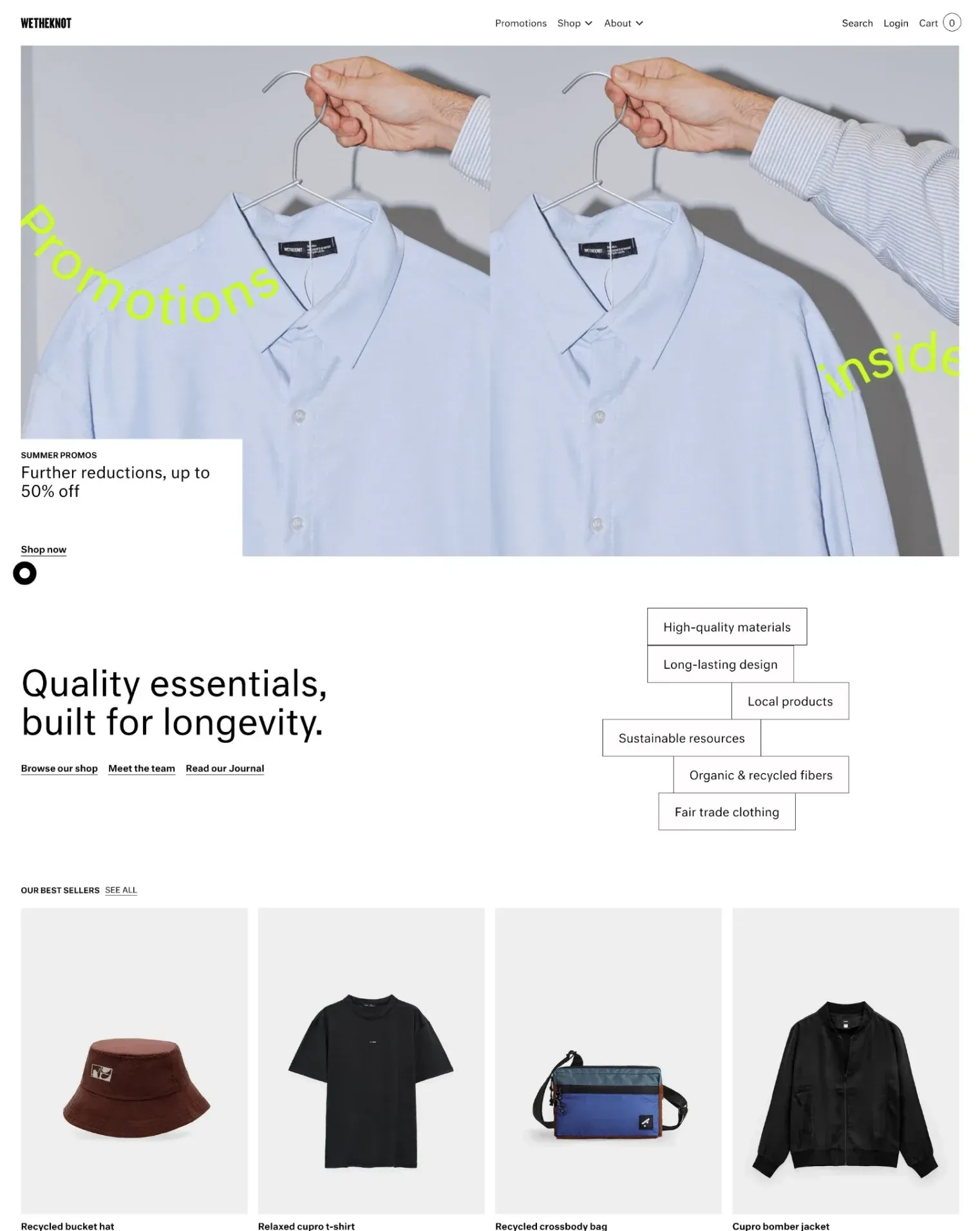
- Webflow
- Smootify
- Shopify
- Connects the new Webflow front end to Shopify, replacing WooCommerce.
- Keeps Shopify’s commerce features and checkout while the design stays free in Webflow.
- Powers the new product filters, which the old site did not have.
The brand and the problem
wetheknot is a Lisbon fashion brand that puts quality over quantity, ignores trends and seasonal collections, sources locally and keeps waste low.
Their WooCommerce shop had become slow and hard to manage, and they worried about its environmental impact. The benchmark confirmed it: GTmetrix grade D, Core Web Vitals failed, performance 67 on desktop and 28 on mobile, load times between 4.0 and 5.4 seconds, and a carbon rating of F, dirtier than 87% of websites.
Shopify behind, Webflow in front
The back end moved to Shopify for its features, ease of management and room to grow. For the front end the team chose Webflow connected to Shopify with Smootify: Shopify’s commerce on one side, design freedom on the other.
Lighter pages
Collection pages show one image per product instead of two, which halves the data loaded. Images are compressed and served in modern formats like WebP.
A fuller type system with larger sizes gives the content a clearer hierarchy, on the home page and on product pages alike.
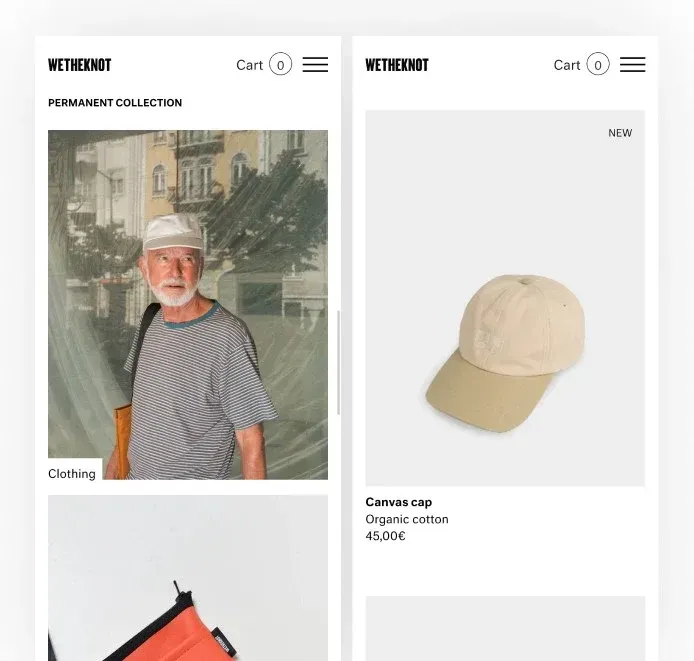

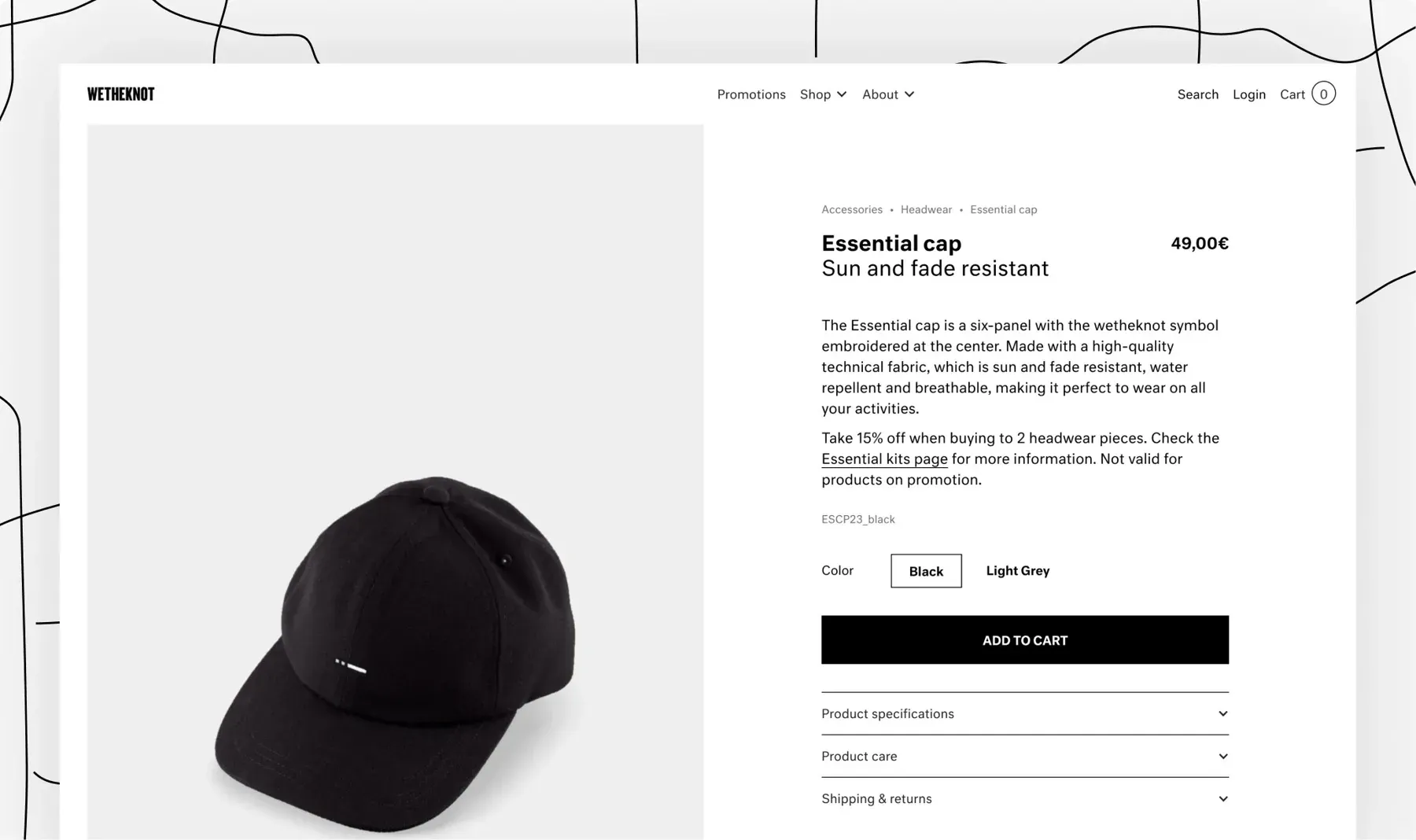
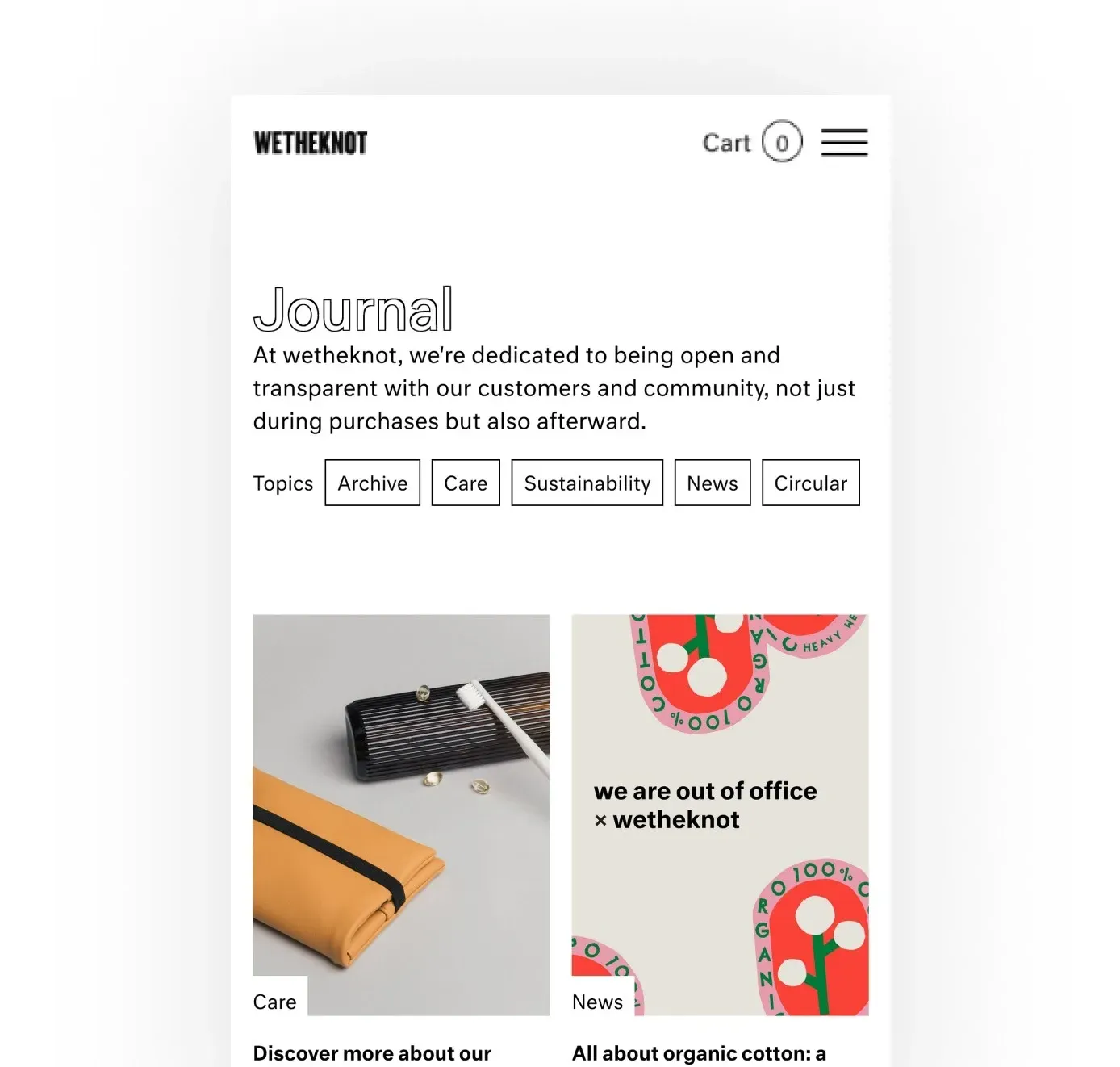
Journal, filters and checkout
The journal went from one long page to a list with a page per article, easier to browse and to share.
Product filters are new: they read the product information automatically, so they stay accurate and easy to maintain.
Checkout is Shopify Checkout, fast and familiar, with every payment method Shopify supports.
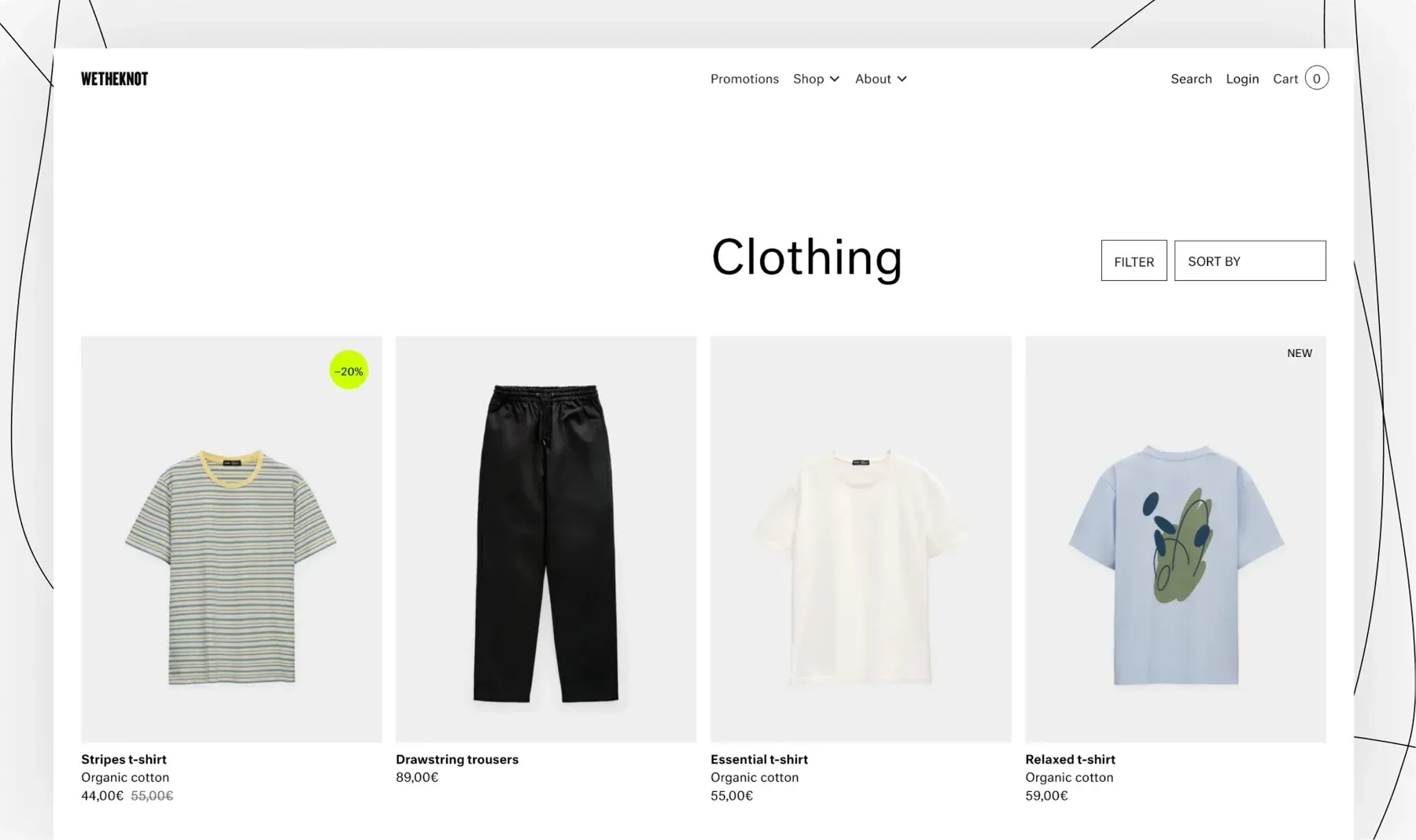
Before and after.
Measured by the builder after launch, as reported on the project page.
“It got from a very slow and sticky website to a fast and clean one. I am very happy with result and would definitely recommend them.”
This case study is based on Nicolas Paries’s project page on Contra. The work and the images belong to its authors.
Build the next one
with Smootify.
Free to build, pay only when you go live. One Shopify app instead of ten, billed on the store’s Shopify invoice.
- One app on the Shopify bill, not ten
- Free to build, pay only when you go live
- Works on Basic, Grow and Advanced
- Your 1.x store keeps working
- Every element stays yours to change
- Docs indexed in llms.txt